(ADHD Med Choices Can Be Overwhelming – Let’s Break it Down!)
If you’re an adult who was diagnosed with ADHD later in life (like me at 38), you’ve probably found yourself overwhelmed by all the ADHD medication options out there. Stimulants worked for a while… until they didn’t. Side effects piled up, tolerance crept in, and I started looking for sustainable ways to support my brain.
In this guide, I’ll walk you through the main categories of ADHD medications, what I’ve personally experienced, newer developments (including peptides), and practical tips for talking with your doctor. This is not medical advice – just one woman’s real journey, plus general information to help you feel more informed and empowered.
GreaterSelf.net is fully reader supported. As an Amazon Associate, I earn on qualifying purchases at no cost to you. Thank you for supporting my writing!
Why Understanding ADHD Medication Options Matters
Adult ADHD looks different than the hyperactive kid version many picture. For women especially, it often shows up as internal chaos, emotional dysregulation, chronic pain overlaps, food noise, and exhaustion from masking all day.
Finding the right support can be life-changing, but the trial-and-error process is exhausting. That’s why knowing your options – and their pros, cons, and alternatives – helps you advocate for what you actually need.
Related: Why Your ADHD Meds (Vyvanse or Adderall XR) Feel Different Every Refill
Stimulant Medications: The Traditional First Line
Stimulants are still the most commonly prescribed ADHD medication options for adults. They increase dopamine and norepinephrine to improve focus, motivation, and impulse control.
Main Types:
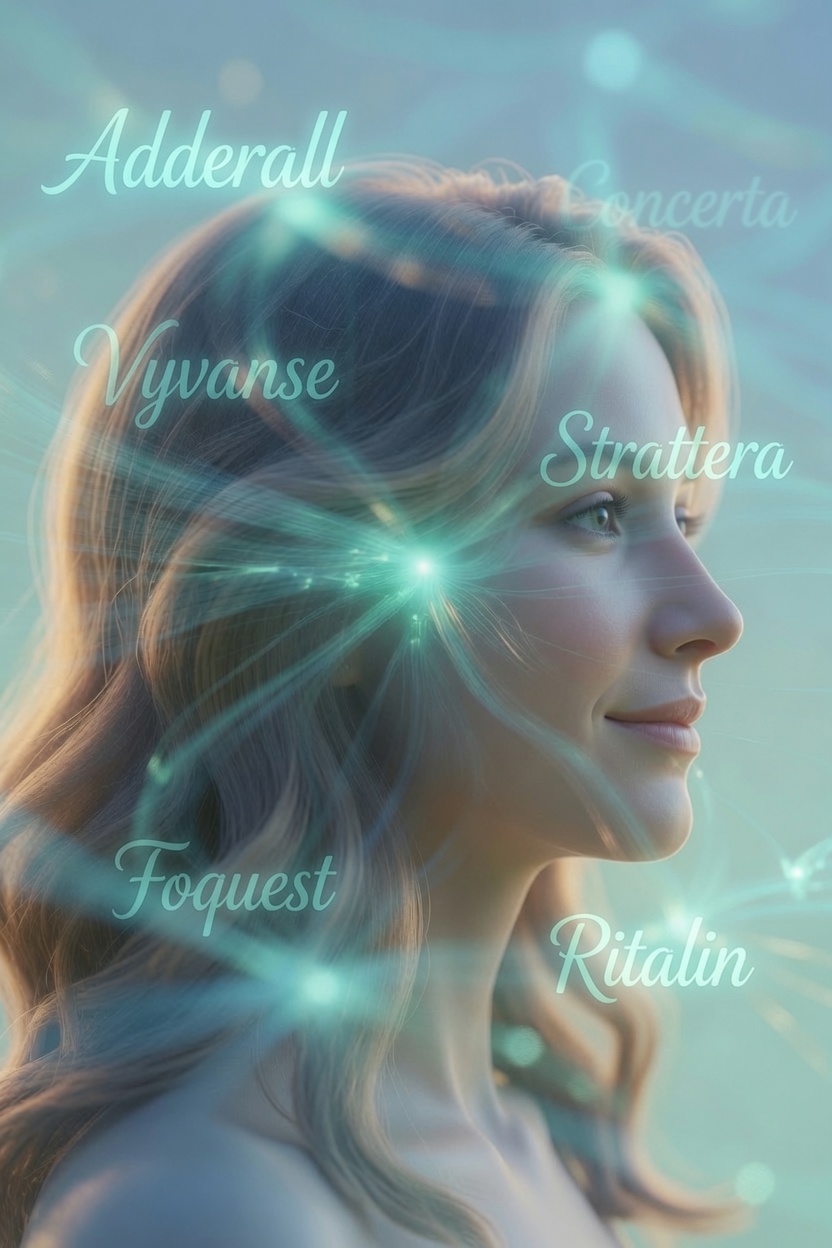
- Amphetamine-based: Adderall, Vyvanse, Dexedrine
- Methylphenidate-based: Ritalin, Concerta, Focalin
What I noticed in my experience: I tried several stimulants after diagnosis. They gave me that initial “brain quieting” effect I desperately needed and boosted my productivity, but tolerance built quickly. Refills sometimes felt completely different in strength or duration. Evening crashes and appetite suppression were tough, especially with my history of binge eating and food noise.
Pros: Fast-acting, well-studied, often very effective initially.
Cons: Tolerance, rebound symptoms, sleep disruption, appetite loss, potential for anxiety or heart rate increases.
Best for: People who need strong, quick focus support and tolerate them well.

Non-Stimulant ADHD Medications
If stimulants aren’t a good fit (or stop working), non-stimulants offer another path. These tend to build up gradually and often have fewer “wired” side effects.
Common Options:
- Atomoxetine (Strattera)
- Guanfacine (Intuniv)
- Clonidine (Kapvay)
- Bupropion (Wellbutrin) – often used off-label
These can be used alone or combined with stimulants. Many people find them gentler on sleep and appetite.
Emerging Options and My Current Approach
The conversation around ADHD medication options is evolving fast. I’ve been exploring how certain treatments originally developed for other conditions can help ADHD symptoms – especially food noise, impulsivity, and executive function.
I started retatrutide in February 2026 and have lost 27+ lbs while noticing calmer food noise and better routine consistency. I’m also experimenting with low-dose combinations and supporting everything with a targeted natural stack.
While retatrutide is only available in US trials or as a research peptide, other GLP-1 drugs are also being explored for their ADHD benefits. It’s worth having a discussion with your doctor, nurse practitioner or prescriber.

My Daily Natural Supports (that complement any medication path):
- L-Tyrosine (dopamine precursor)
- Lion’s Mane & Pine Bark for focus and brain health
- NAC for cravings and compulsive thoughts
- Magnesium (Threonate/Bisglycinate), L-Theanine + coffee, Creatine, Omega-3, and more
I notice: This combo helps smooth things out whether I’m on prescription meds or not. My morning routine and high-protein meals make a huge difference too.
Related: Peptides + Natural Supplement Combo for Binge Eating & Food Noise: My Real Results (27 lbs Down)
Related: Exploring Nootropics for ADHD Focus: My Real Results
How to Choose the Right ADHD Medication Options for You
There’s no one-size-fits-all. Here’s what helped me:
- Track symptoms, side effects, and benefits for at least 2–4 weeks on any new option.
- Be honest with your prescriber about lifestyle, hormones, sleep, and other medications.
- Consider comorbidities (anxiety, chronic pain, sleep issues – all common with ADHD).
- Give non-stimulants and lifestyle supports enough time to work.

Common Side Effects and How I Manage Them
- Appetite suppression / food noise changes → High-protein meals and peptides help
- Sleep disruption → Magnesium at night + strict bedtime routine
- Jaw tension / bruxism → Night guard (highly recommend!) + magnesium
- Emotional blunting or crashes → Adjusting dose + natural dopamine supports
FAQ: ADHD Medication Options
What is the best ADHD medication for adults?
It depends on your body and symptoms. Many start with Vyvanse or Concerta, but non-stimulants or combinations work better for some.
Can peptides or GLP-1 medications help ADHD?
Early experiences (including mine) show promise for reducing food noise and supporting focus, but more research is needed. Always work with a knowledgeable provider.
Why do stimulants stop working?
Tolerance is common. Cycling, dose adjustments, or adding natural supports can help.
Are natural options enough?
For some people yes, especially with strong routines. I use them as my foundation and add prescriptions only when needed.
How do I talk to my doctor about alternatives?
Come prepared with symptom tracking and specific questions. Bring up your full health picture, including sleep, pain, and eating patterns.

Final Thoughts
Navigating ADHD medication options can feel overwhelming, but you don’t have to figure it out alone. Whether you’re on traditional meds, exploring newer paths like peptides, or building a natural stack – the goal is finding what helps you show up as your greater self.
I’d love to hear from you: What’s worked (or not worked) in your medication journey? Drop a comment below… I read every single one.
-Mere Penny
Follow Me on Facebook
Join me over on GreaterSelf where I share daily encouragement, quick tips, and behind-the-scenes moments from my ADHD fitness journey.