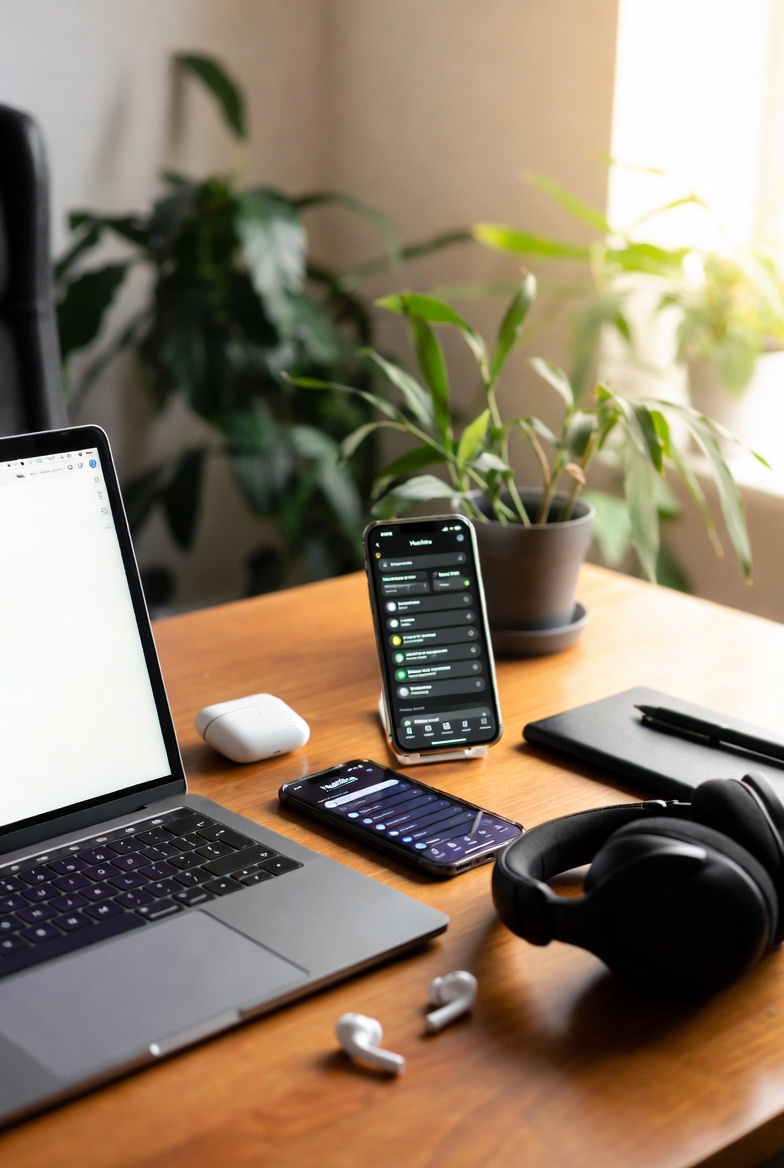
(A Workplace Presents Unique Challenges to ADHD’ers)
Living with adult ADHD means the typical 9-5 can feel like a constant battle against distractions, time blindness, and executive dysfunction. With ADHD at work in the energy sector (ops and maintenance), I’ve had to get creative to stay productive without burning out.
Since my diagnosis, I’ve built systems that actually work for my brain… and they’ve made a huge difference in my focus, output, and confidence. Whether you’re in an office, field work, or hybrid, these strategies can help you thrive. Even small tweaks will surprise you!
GreaterSelf.net is fully reader supported. As an Amazon Associate, I earn on qualifying purchases at no cost to you. Thank you for supporting my writing!
What you’ll learn:
- Daily workday management hacks
- ADHD-friendly desk setup ideas
- How to talk to management about your needs (without fear)
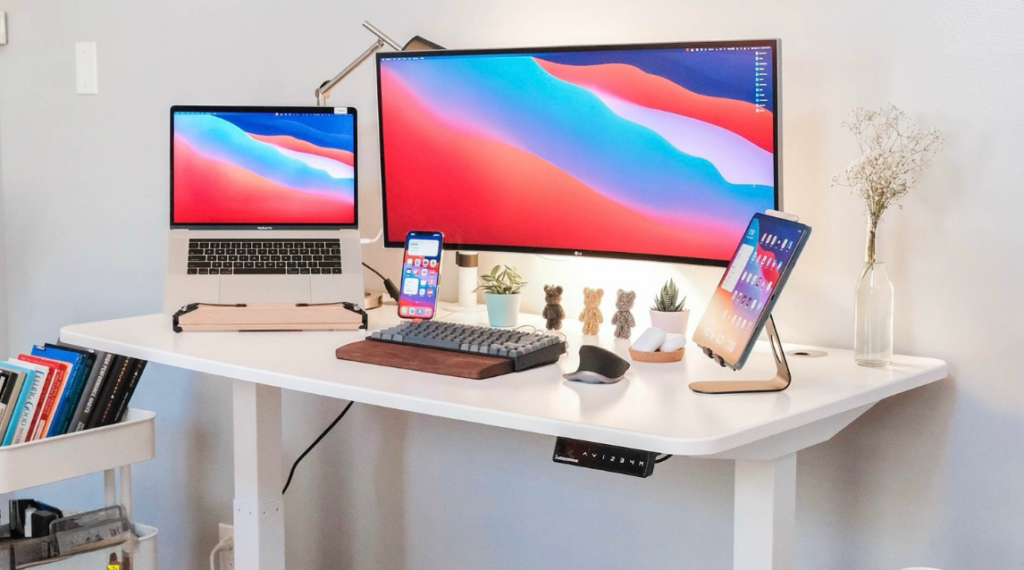
Section 1: Managing Your Workday with ADHD
ADHD brains often struggle with prioritization, transitions, and sustained attention. The key? Externalize everything and build structure around your natural rhythms.
- Start with a consistent morning routine (like my 4:30am alarm + high-protein breakfast + walk). It sets dopamine and focus for the day. I notice way better executive function when I protect this.
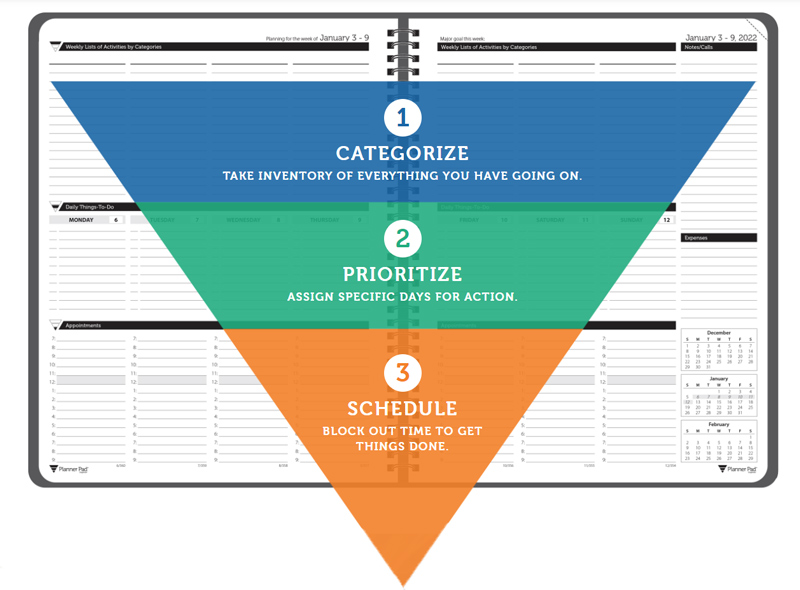
- Time blocking + body doubling: Break the day into focused chunks (e.g., deep work 9-11am, admin after lunch). Use a visual planner or app. I pair tough tasks with accountability (even a quick check-in with a colleague).
- Task prioritization: Use the “3 most important tasks” rule or Eisenhower matrix. Tools like a simple notebook or digital planner help me avoid decision fatigue.
- Pomodoro with movement: 25-min focus + 5-min walk/stand. In field work, this means short breaks between checks.
- Minimize context switching: Batch emails/calls. Written instructions and agendas are game-changers for meetings.
I take: My supplement stack (L-Tyrosine, Lion’s Mane, etc.) + Zepp tracking for walks. I notice: Fewer “where did the morning go?” moments and more completed projects when I’m consistent with supplements + moving my body.
Section 2: ADHD-Friendly Desk Setup
Your environment massively impacts focus. A cluttered or stimulating space = instant distraction.
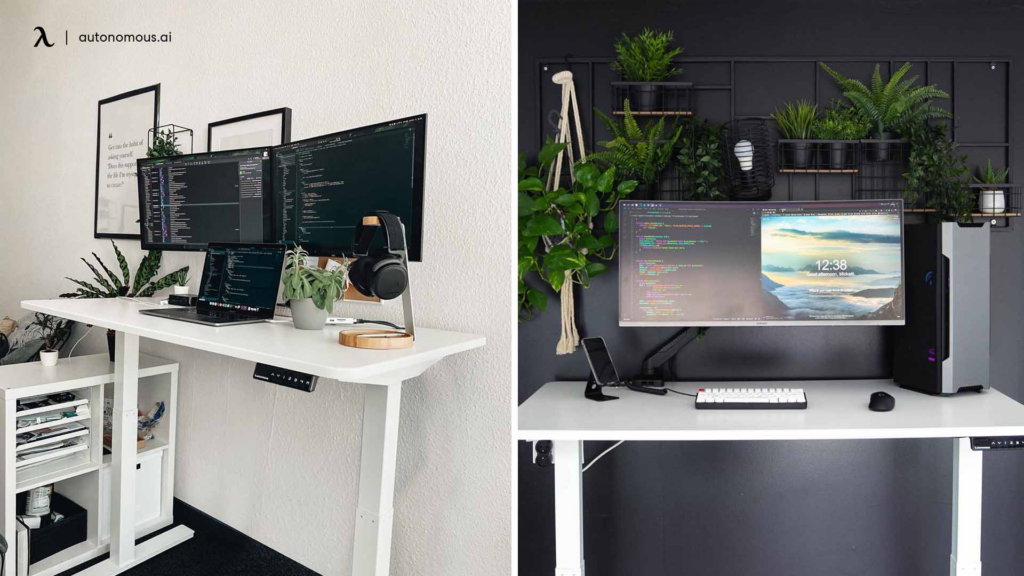
- Minimize visual clutter: Clear desk, use drawers/organizers. Only keep today’s essentials out.
- Zoning: Have a “focus zone” with noise-canceling headphones, standing desk option, and neutral wall view (away from high traffic).
- Sensory supports: Fidget tools, plants, good lighting, or a small whiteboard for brain dumps. Consider a pegboard for tools/headphones.
- Tech helps: Multiple monitors (if possible), task management apps, timers, and blue-light filters.
- Field/office hybrid tip: Portable setup—noise-cancelling earbuds, portable charger, quick-access checklist.
Pro tip: Experiment! What calms my brain (minimal setup + movement) might differ from yours.

Section 3: Discussing Your Needs with Management
Advocating doesn’t have to be scary. Frame it around performance and solutions, not deficits. Many companies support accommodations under human rights/disability laws (in Canada, talk to HR about AODA or similar). ADHD at work should be discussed without fear or shame.
How to approach the conversation:
- Prepare: Note specific challenges (e.g., “Open office noise affects my focus”) and proposed solutions (e.g., “Headphones + quieter spot”).
- Schedule a private chat: “I’d like to discuss ways to maximize my contributions.”
- Focus on strengths + support: “ADHD brings creativity and hyperfocus—here’s how we can make the environment work better.”
- Suggest low/no-cost options first: Flexible hours, written follow-ups, focus blocks, or trial periods.
- Document: Follow up in email. Involve HR if needed for formal accommodations.
My experience: At my office, clear communication and small adjustments (like structured check-ins) have helped me deliver on my projects without the old overwhelm.
Common accommodations: Quiet workspace, flexible scheduling, task prioritization help, noise reduction tools.

Section 4: Additional Tips + Resources
- Build in “white space” for recharging to avoid burnout.
- Leverage strengths: Hyperfocus for complex problem-solving, creativity for innovative solutions.
- Track wins: Use a journal or app to build evidence of what works.
- Affiliate/product mentions (natural fit for your site): Noise-canceling headphones, planners, standing desk converters, or supplements that support focus (link your favorites with personal results).
Final Thought
What’s one change you’ll try this week? Drop it in the comments or on IG @your_greaterself. Pin this for later, share with a colleague, and subscribe for more ADHD strategies + wellness tips. Check out my other posts on morning routines and nootropics for more brain hacks!
-Mere Penny
Follow Me on Facebook
Join me over on GreaterSelf where I share daily encouragement, quick tips, and behind-the-scenes moments from my ADHD fitness journey.