(Restore Dopamine Balance With These Tips!)
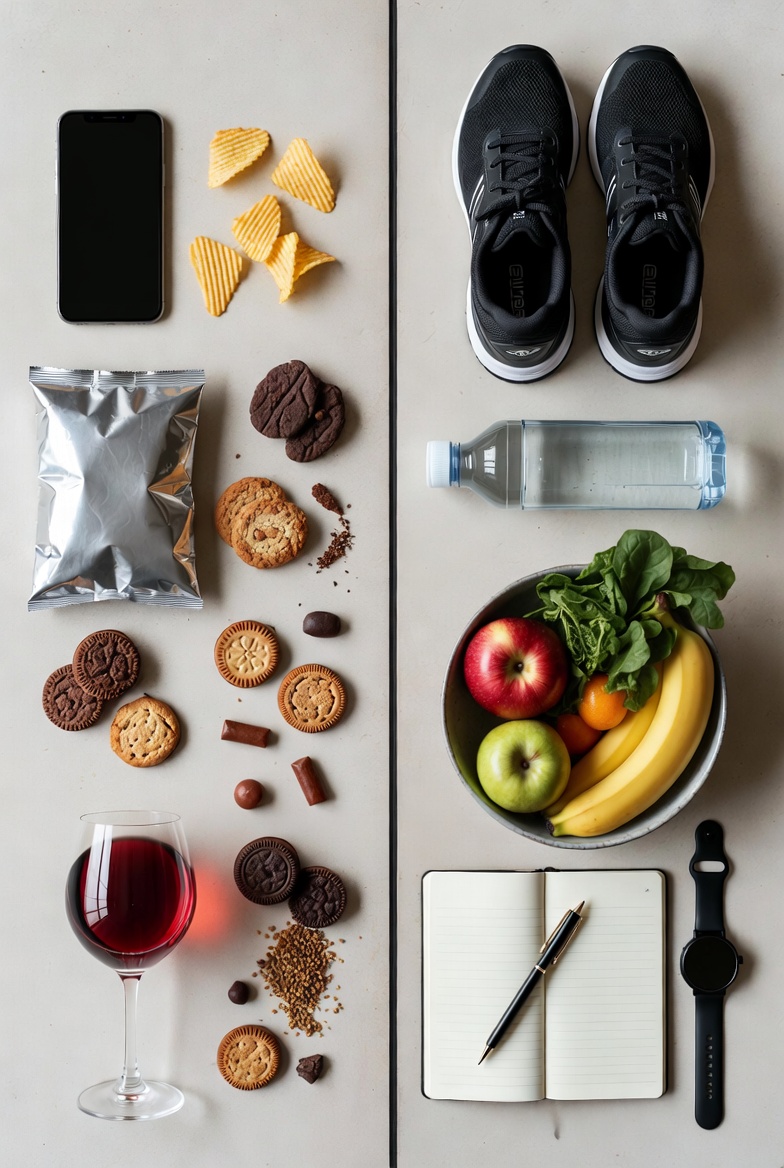
Constant easy pleasures like scrolling, notifications, snacks, and streaming can overstimulate the brain’s dopamine system. According to Stanford psychiatrist Dr. Anna Lembke in her conversation with Mel Robbins, this leads to a pleasure-pain imbalance that makes everyday tasks feel harder and motivation harder to access.
This 7-day guide draws directly from her insights on the pleasure-pain seesaw. Each day focuses on one key practice to gently reduce stimulation and lean into manageable discomfort, helping restore natural motivation and balance.
Why This Approach Works – Every quick dopamine hit tips the brain’s pleasure-pain balance toward pleasure, prompting “gremlins” (neuroadaptation) to overshoot into a deficit state. Reducing easy rewards and introducing small amounts of effort allows the system to recalibrate, making normal activities feel rewarding again.

GreaterSelf.net is fully reader supported. As an Amazon Associate, I earn on qualifying purchases at no cost to you. Thank you for supporting my writing.
The 7-Day Dopamine Reset Guide
- Day 1: Create a Phone-Free Morning Window
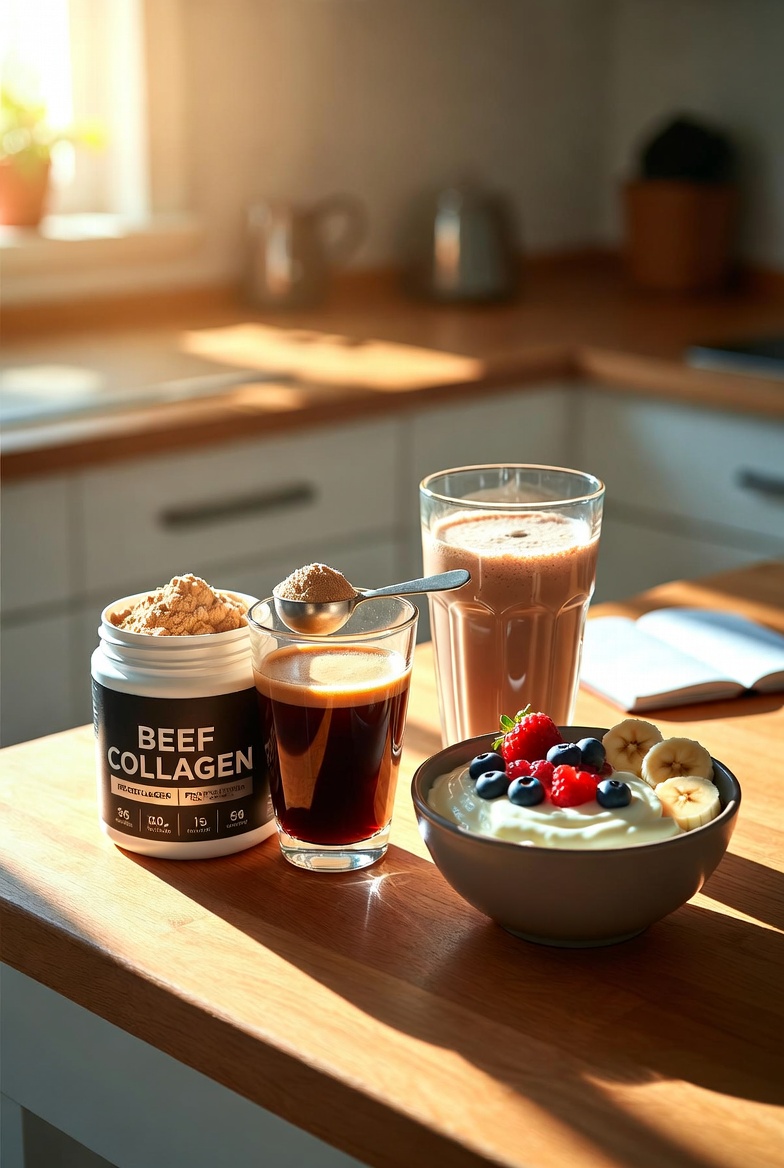
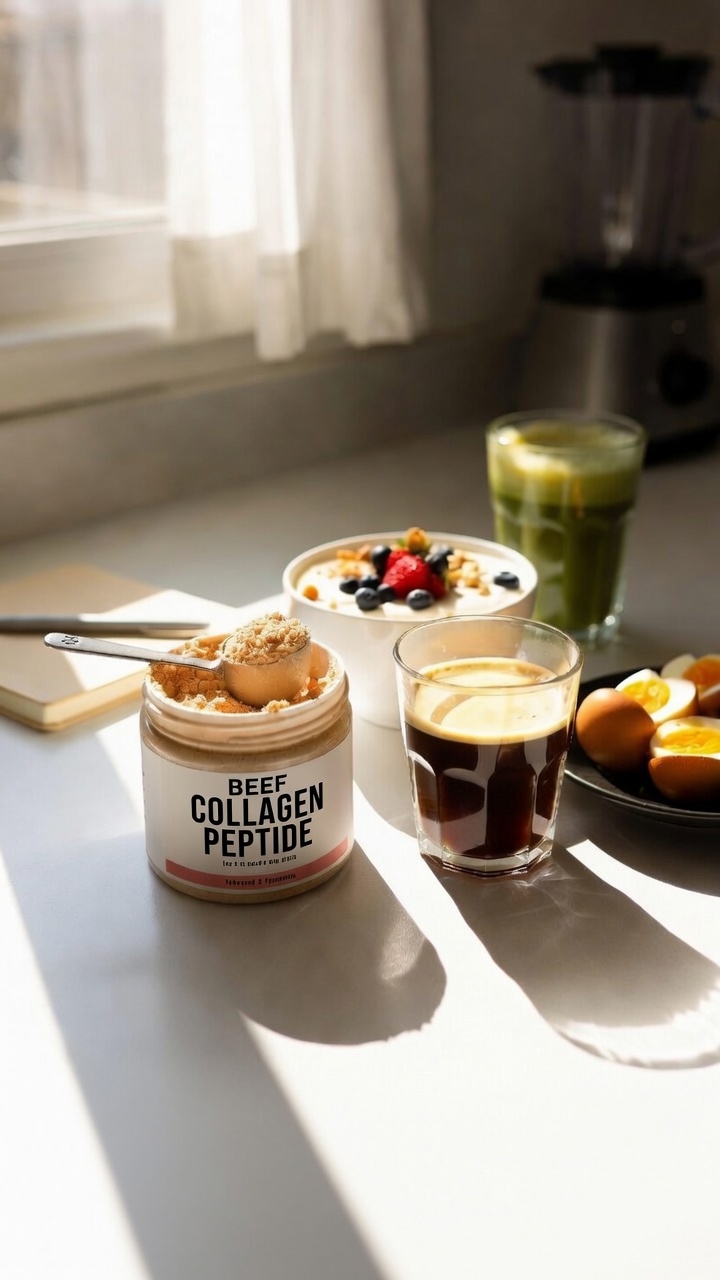
- Delay phone use for the first 60–90 minutes after waking. Use this time for basic routines like hydration, a high-protein breakfast, or light movement.
- Why it works: Mornings are when dopamine sensitivity is highest. Starting the day without rapid hits prevents the cascade of craving and restlessness that follows.
- Delay phone use for the first 60–90 minutes after waking. Use this time for basic routines like hydration, a high-protein breakfast, or light movement.
- Day 2: Practice One Right-Sized Discomfort
- Choose a mildly effortful activity such as a brisk walk, cold shower, or focused work session without distractions.
- Why it works: Intentionally leaning into manageable pain activates the opponent process – the brain counters with pleasure, building resilience and long-term motivation.
- Choose a mildly effortful activity such as a brisk walk, cold shower, or focused work session without distractions.
- Day 3: Embrace Boredom During One Daily Task
- Complete a routine activity (e.g., household chores, driving, or eating) without music, podcasts, or screens.
- Why it works: Boredom is the opposite of overstimulation. Allowing it retrains the brain to generate its own interest and dopamine from internal sources rather than external hits.
- Complete a routine activity (e.g., household chores, driving, or eating) without music, podcasts, or screens.

- Day 4: Optimize Protein and Supplement Timing
- Pair protein-rich meals with evidence-based supplements that support dopamine (such as L-Tyrosine, Lion’s Mane, or Creatine) at consistent times.
- Why it works: Stable blood sugar and precursor nutrients provide steady dopamine support without the spikes and crashes from ultra-processed foods or caffeine overload.
- Pair protein-rich meals with evidence-based supplements that support dopamine (such as L-Tyrosine, Lion’s Mane, or Creatine) at consistent times.
- Day 5: Implement an Evening Screen Curfew
- Turn off screens at least 60 minutes before bed. Replace with low-stimulation activities like reading or journaling.
- Why it works: Evening stimulation keeps the brain in a high-dopamine state, interfering with sleep and next-day baseline. A wind-down period allows natural melatonin and recovery.
- Turn off screens at least 60 minutes before bed. Replace with low-stimulation activities like reading or journaling.
- Day 6: Review Patterns Without Judgment
- Note which triggers (devices, foods, multitasking) create the strongest pull and which practices create the most calm or focus.
- Why it works: Awareness itself begins to weaken compulsive loops. Understanding personal patterns makes long-term self-binding (creating barriers to easy rewards) more effective.
- Note which triggers (devices, foods, multitasking) create the strongest pull and which practices create the most calm or focus.
- Day 7: Anchor One Sustainable Change
- Select the single practice that felt most beneficial and integrate it as a non-negotiable part of your routine.
- Why it works: Small, consistent changes compound without overwhelming the system, supporting lasting homeostasis rather than short-term restriction.
- Select the single practice that felt most beneficial and integrate it as a non-negotiable part of your routine.

Key Principles to Remember
- Progress over perfection, even partial implementation helps.
- Combine with consistent sleep, movement, and nutrition for best results.
- This is not about eliminating all pleasure, but restoring balance so everyday life feels more rewarding.

You May Also Like
- The Hidden Reason You Can’t Get Motivated (It’s Not Willpower)
- Exercise Snacks & Vigorous Movement for Busy ADHD Brains
- Your Body Reset: Science-Backed Ways to Eat, Move & Feel Better Longer (Inspired by Dr. Rhonda Patrick)
- Nootropics for ADHD Focus: Real Results with Natural Stack 2026
- Peptides + Natural Supplement Combo for Binge Eating & Food Noise: My Real Results (27 lbs Down)
Final Thoughts
Reducing easy dopamine hits and embracing small discomforts can shift the brain from a chronic deficit state back toward motivation and presence. This guide offers a structured way to experiment with Dr. Lembke’s insights in daily life.
Have you tried elements of a dopamine reset before? Share your experiences in the comments.
Build your greater health, one balanced day at a time.
-Mere Penny
Follow Me on Facebook
Join me over on GreaterSelf where I share daily encouragement, quick tips, and behind-the-scenes moments from my ADHD fitness journey.