(And What’s Actually Helping)
Living with adult ADHD means juggling focus, routines, and energy. But for me (and many others), it also means dealing with brutal upper back muscle tension, TMJ flares, and nights where sleep feels impossible because everything hurts. My therapist mentioned that chronic pain shows up more often in people with ADHD. Turns out, the science backs this up big time. (NewsMedical)
If you’re in the same boat – tight shoulders from “just pushing through,” jaw clenching during hyperfocus, or waking up exhausted after tossing and turning all night – I wrote this for you. Here’s what the research says, why it happens, and the strategies I’m using that actually move the needle.
The ADHD-Chronic Pain Connection Is Real (And Stronger Than You Think)
Studies show people with ADHD have significantly higher rates of chronic pain:
- Up to 65.9% of adolescents with ADHD report chronic pain, with high rates of musculoskeletal and multi-site pain. (PubMed)
- Adults with ADHD report much more musculoskeletal pain (42.8% vs. 24.4%), back/neck pain (35.7% vs. 18.5%), headaches, fibromyalgia, and overall chronic pain compared to those without ADHD. (ClinicalPain)
- In pain clinic patients, ADHD traits appear ~2.4x more often, and they link to greater pain severity – especially extreme pain. (News Medical),(UTokyo)
My experience: Nearly every day involves some level of upper back tension and TMJ discomfort. It makes desk work (and life in general) tougher and turns sleep into a challenge. Sound familiar?
Why Does ADHD Make Chronic Pain Worse? (The Mechanisms)
It’s not just “in your head”, there are real overlaps:
- Central Sensitization & Nociplastic Pain
- ADHD may contribute to how the nervous system amplifies pain signals. Conditions like fibromyalgia, chronic back pain, and TMJ often involve this. (Frontiers)
- ADHD may contribute to how the nervous system amplifies pain signals. Conditions like fibromyalgia, chronic back pain, and TMJ often involve this. (Frontiers)
- Muscle Tension & Posture
- Hyperfocus, restlessness, or “boom-bust” activity (go hard then crash) leads to clenching, poor ergonomics, and overuse. TMJ and upper back tension are common.(Mind & Body Foundation)
- Hyperfocus, restlessness, or “boom-bust” activity (go hard then crash) leads to clenching, poor ergonomics, and overuse. TMJ and upper back tension are common.(Mind & Body Foundation)
- Sleep Disruption
- ADHD and pain create a vicious cycle. Pain makes sleep uncomfortable; poor sleep worsens pain perception, ADHD symptoms, and inflammation. I feel this nightly. (Sleep Foundation)
- ADHD and pain create a vicious cycle. Pain makes sleep uncomfortable; poor sleep worsens pain perception, ADHD symptoms, and inflammation. I feel this nightly. (Sleep Foundation)
- Neuroinflammation, Dopamine, and Mood
- Shared brain pathways, anxiety/depression, and negative thought patterns (catastrophizing) amplify everything. (News-medical)
- Shared brain pathways, anxiety/depression, and negative thought patterns (catastrophizing) amplify everything. (News-medical)
- Sensory Processing & Executive Function
- Difficulty pacing or regulating energy adds physical strain.
I notice: When my routines slip (even slightly), my back tightens up faster and sleep tanks. One of my biggest triggers is stress – my body reacts whether I want it to or not. This is something I’m still desperately trying to solve!
What’s Helping Me Manage ADHD + Chronic Pain
I’m not “cured” by any means, but combining my ADHD strategies with targeted pain relief has made a difference. Consistency is key.
Daily Routines That Reduce Tension:
- Morning walks with the dogs – gentle movement without overdoing it.
- High-protein breakfast + supplement stack (more below).
- Pacing: Break work into focused bursts with movement breaks. Avoid boom-bust.
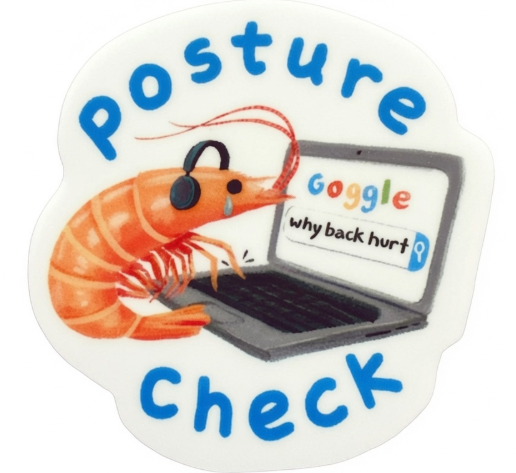
- Posture checks + simple stretches (neck/shoulder rolls, jaw relaxation exercises).
Weekly Routines That Help
- Physiotherapy
- Chiropractic care
- Stretching clinics
- Personal training targeting muscle imbalance
Supplements (Evidence-Based for Both ADHD & Pain):
- Magnesium (Threonate/Bisglycinate) Muscle relaxation, TMJ relief, better sleep. Game-changer for tension. *Note – I take a LOT of magnesium, which means being careful with my eletrolyte balance etc. Research high dose magnesium carefully. (Physiopedia)
- L-Theanine + Coffee, Lion’s Mane, Omega-3s, Creatine: Support focus and reduce inflammation. I also take turmeric for inflammation.
- Others in my stack (NAC, etc.) for overall nervous system calm.
- Melatonin or sleep support when pain disrupts rest. I have entire sleep stack that I rely on heavily.
Other Tools:
- Night guard for bruxism/TMJ.
- Heat/physio for back flares.
- Therapy + self-compassion.
- Exploring ADHD meds’ potential dual benefits (talk to your doctor; some studies show pain improvement). (Frontiers)
Sleep Hacks for Painful Nights:
- Consistent bedtime routine.
- Optimize environment (cool, dark, supportive pillow/mattress).
- Address the ADHD-sleep-pain loop head-on.(Orthorepair)
Track what works!
You May Also Like
- My ADHD Morning Routine That Actually Sticks (4:30 AM Structure)
- The exact routine that supports focus, consistency, and pain management.
- The exact routine that supports focus, consistency, and pain management.
- My Retatrutide Progress Update: 25 lbs Down & What I’m Learning
- Honest results combining peptides with routines and supplements.
- Honest results combining peptides with routines and supplements.
- Retatrutide for ADHD: How Peptides Helped Quiet Food Noise & Boost Focus
- My real experience with peptides for ADHD-related binge eating and impulse control.
- My real experience with peptides for ADHD-related binge eating and impulse control.
- Exploring Nootropics for ADHD Focus: My Natural Stack Results
- What’s working in my supplement routine for better concentration.
- What’s working in my supplement routine for better concentration.
- Exercise Snacks & Vigorous Movement for Busy ADHD Brains
- Short movement tips that help with energy, dopamine, and tension relief.
You’re Not Alone – Here’s What to Do Next
ADHD + chronic pain is common but often overlooked. Screening and integrated management (routines, supplements, therapy, movement) can help break the cycle. (Physiopedia)
If this resonates:
- Talk to your doctor/therapist about ADHD-pain links.
- Discuss referrals for physiotherapy or other options
- Start one small routine change today.
What about you? Drop your experiences in the comments – TMJ tips, back relief wins, or questions. Sharing helps us all!
-Mere Penny
Follow Me on Facebook
Join me over on GreaterSelf where I share daily encouragement, quick tips, and behind-the-scenes moments from my ADHD fitness journey.