(A simple weekly planning session can be your game-changer!)
If you’re like me – adult-diagnosed ADHD, juggling work, family, health goals, and that constant mental chatter – a rigid daily planner often fails. But a weekly planning session? Game-changer. It creates structure without stealing all your flexibility.
In this post, I’ll walk you through my practical system. It emphasizes low-decision-fatigue habits (same breakfast, prepped gear, quick morning walks), the Mel Robbins 5-Second Rule, and tracking tools like my Amazfit/Zepp watch. Let’s make planning feel doable (and even rewarding).
GreaterSelf.net is fully reader supported. As an Amazon Associate, I earn on qualifying purchases at no cost to you. Thank you for supporting my writing!
Why Weekly Planning Beats Daily Chaos for ADHD Brains
ADHD brains thrive on external structure but rebel against micromanagement. Weekly planning:
- Reduces decision fatigue by batching choices once a week.
- Builds in buffers for “off” days.
- Lets you spot patterns (energy highs/lows, wins).
- Pairs perfectly with routines that run on autopilot.
I notice: When I skip my Sunday (or Monday morning) planning, the week feels reactive. With it? More flow, fewer “Where did the day go?” moments.
Step 1: Set Up Your Low-Decision-Fatigue Foundation
Before diving into tasks, lock in your non-negotiables. This is where consistency wins.
Same breakfast & supplements
- Prep everything the night before. My go-to: Beef collagen protein + milk + creatine. Supplements (L-Tyrosine, Magnesium, etc.) in a daily organizer.
Morning walk ritual
- 5km+ walk at dawn with the dogs. Bright clothes + LED gear laid out the night before – vest, collar, headlamp. No decisions, just action.
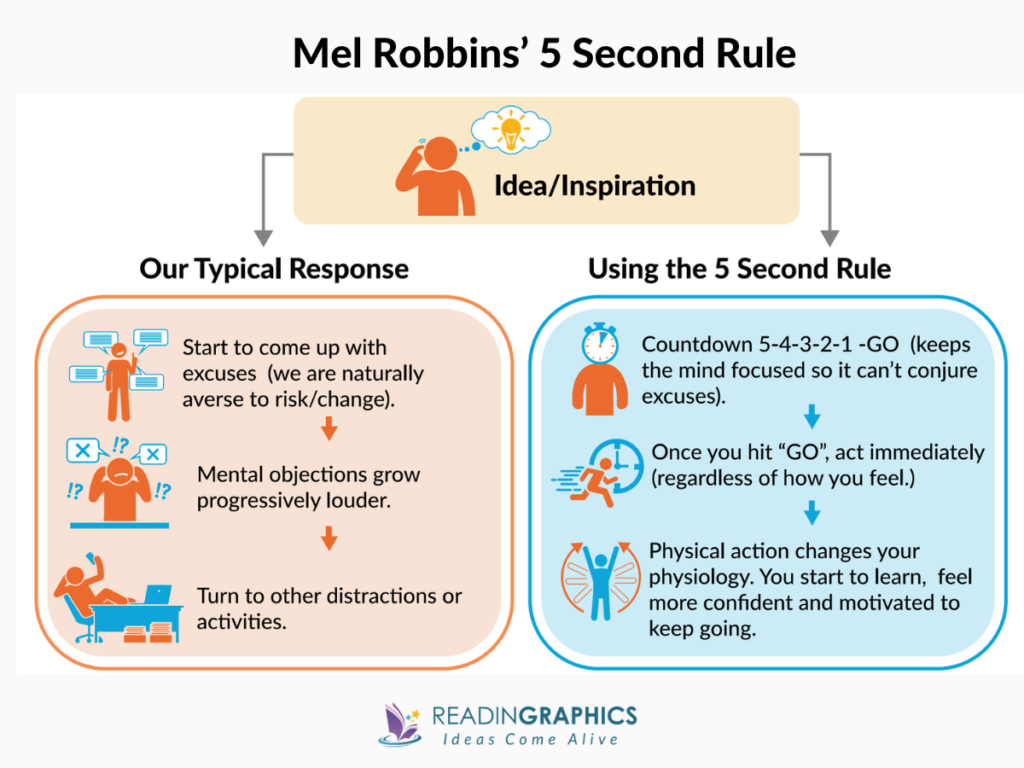
Mel Robbins 5-Second Rule
- Alarm at 4:30am? 5-4-3-2-1-GO. Count down and move before your brain talks you out of it. This one habit cascades into everything else.
Pro tip: Create a “launch pad” spot… clothes, gear, water bottle, tracker charged. Prep once, autopilot daily.
Step 2: Hold Your Weekly Planning Session (30-45 Minutes)
Pick a consistent time (Sunday evening or Monday morning works for many). Keep it simple, no fancy apps required at first.
What to cover:
- Review last week (Zepp data: steps, sleep, readiness score).
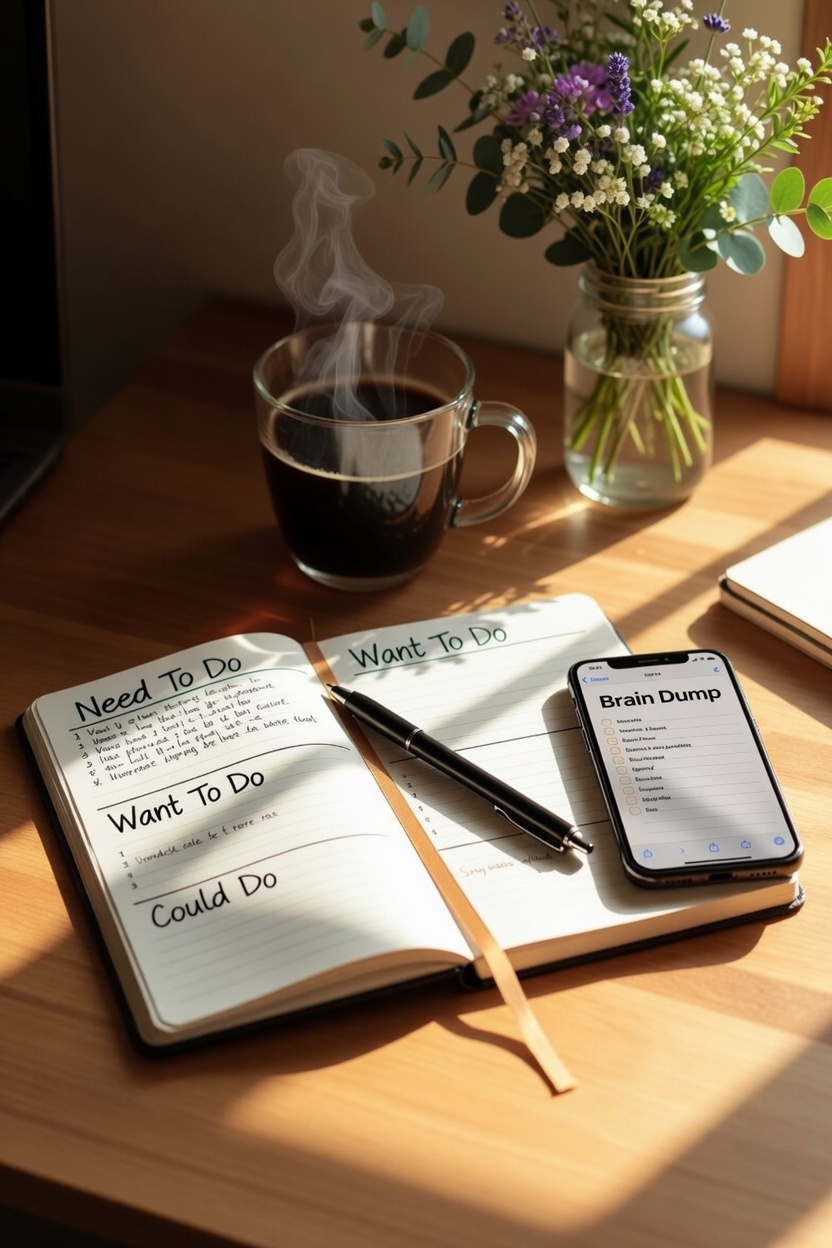
- Brain dump everything on your mind.
- Set 3-5 top priorities for the week (not 20!).
- Block recurring routines (work, walks, family, content time).
- Schedule “white space” for recharge. ADHD rest is productive.
- Plan meals loosely around your staples to avoid food noise.
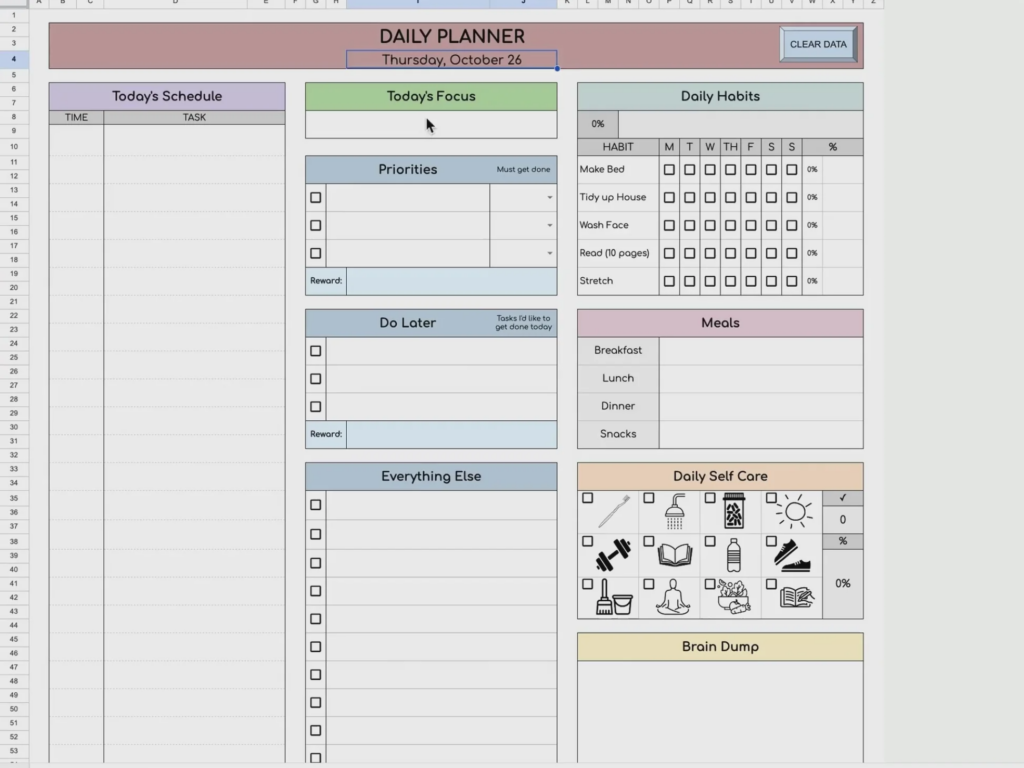
Use a simple template (printable or digital). Example sections:
- Weekly Overview / Priorities
- Daily Routines (fixed: breakfast, walk, supps)
- Tasks by day/theme (e.g., “Content Creation Wednesday”)
- Wins/Tracking
- Notes/Brain Dump
Step 3: Integrate Tracking Tools Like Amazfit/Zepp
Data makes it real and motivating.
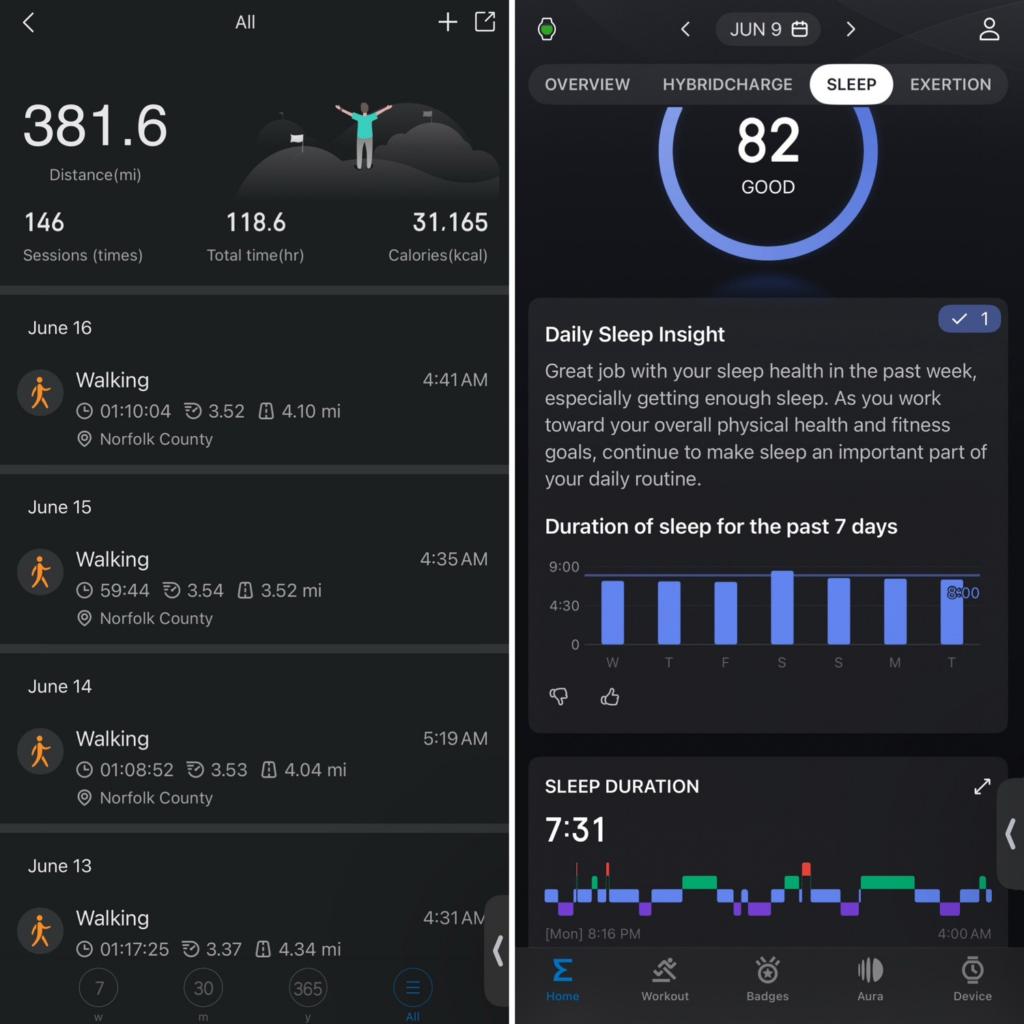
My Amazfit watch + Zepp app is ADHD gold:
- Tracks steps, distance, sleep stages, readiness.
- Morning readiness score helps me adjust (low? More white space).
- Logs walks automatically, huge dopamine hit seeing consistency.
- Syncs with nutrition/weight trends.
I notice: Logging my 5km dawn walks in Zepp keeps me accountable. Seeing sleep improvements from consistent routines? Priceless for tweaking supps or wind-down habits.
Real example from my recent data: Multiple early morning walks logged automatically (around 4 miles each) + solid sleep duration. Seeing those streaks keeps me consistent, especially on days when motivation dips.
Link your tracker to your planner: Note weekly averages and adjust (e.g., low readiness? Protect your evening wind-down).
Step 4: Make It Visual & ADHD-Friendly
Visuals beat walls of text. Use color-coding, icons, or simple templates.
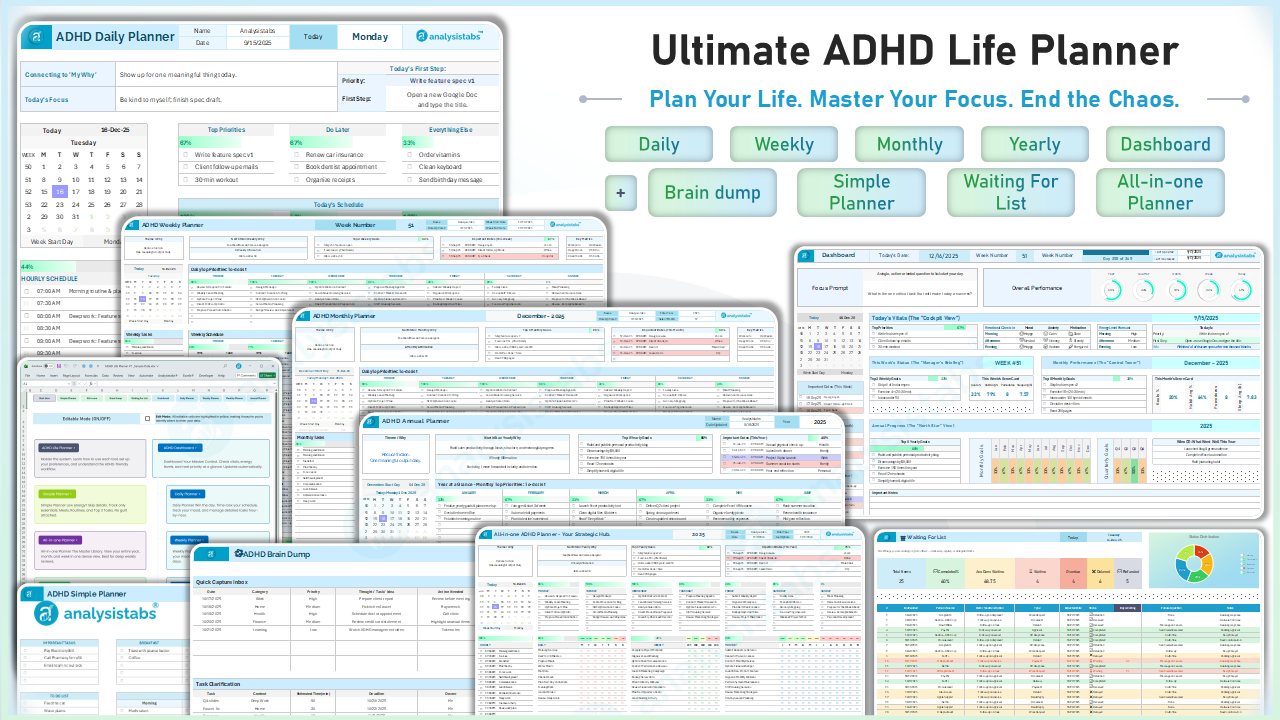
- Green for routines, red for must-dos, blue for flexible.
- Checkboxes for quick wins.
- Photo of your prepped gear as a visual reminder.
- Weekly review: Screenshot Zepp trends.
(Grab free templates online or create one in Google Sheets/Canva!)
Step 5: Review, Adjust, and Celebrate
End each week with a quick 10-minute review:
- What worked? What drained you?
- Update next week’s plan based on data.
- Log wins (even small ones) for dopamine.
Remember: Progress over perfection. Missed a day? 5-4-3-2-1 back on track tomorrow…!
You May Also Like
If this weekly planning system resonated, here are more practical tools that have helped me manage ADHD, build consistency, and optimize daily life:
- My ADHD Morning Routine That Actually Sticks
- The exact 4:30 AM structure, 5-Second Rule, prep systems, and supplement stack that keeps me consistent.
- My Retatrutide Progress Update: 25 lbs Down & What I’m Learning
- Honest update on weight loss, routines, tracking, and how it supports ADHD management.
- Exploring Nootropics for ADHD Focus: My Real Results with Natural Alternatives
- Lion’s Mane, L-Theanine, Creatine & more—what actually improved my focus and reduced reliance on stimulants.
- My High-Protein ADHD Nutrition Strategy That Reduced Food Noise
- How consistent meals stabilized energy, quieted cravings, and supported my peptide journey.
Final Thoughts
Creating a weekly planning session doesn’t have to be complicated or perfect, it just needs to work for your ADHD brain. Start small: pick one low-decision-fatigue routine, set aside 30 minutes to plan, and use your tracker to celebrate the wins. The 5-Second Rule has been my biggest ally when motivation fades.
Consistency compounds. You’ve got this, one planned week at a time!
-Mere Penny
Follow Me on Facebook
Join me over on GreaterSelf where I share daily encouragement, quick tips, and behind-the-scenes moments from my ADHD fitness journey.
Visit The Greater Self Storefront on Amazon.ca
Feature image photo credit – Photo by Rodrigo Rodrigues | WOLF Λ R T on Unsplash <3