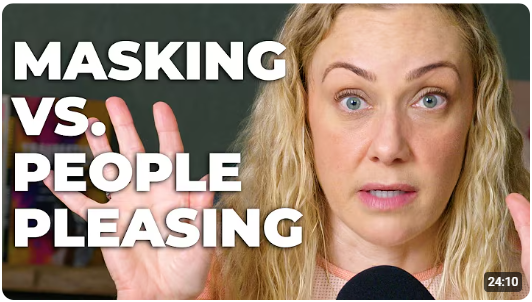
(Kati Morton Broke This Down Perfectly)
If you’ve ever left a social situation or even a normal workday feeling completely drained – not just tired, but hollow, like you don’t even know what you actually think or feel anymore – you’re not alone. For the longest time I thought I was just a chronic people pleaser. Turns out, a lot of what I was doing was masking, especially as someone navigating AuDHD (autism + ADHD).
After watching Kati Morton’s recent video on this topic, so many things clicked for me. Today I’m breaking down the difference between masking and people pleasing, how it shows up for women with ADHD and autism, and what I’m learning in my own life.
GreaterSelf.net is fully reader supported. As an Amazon Associate, I earn on qualifying purchases at no cost to you. Thank you for supporting my writing!
People Pleasing vs Masking – What’s the Difference?
People pleasing is mostly about behavior. It’s consciously choosing other people’s comfort over your own to avoid conflict, rejection, or disapproval.
- Saying yes when you mean no
- Over-apologizing
- Agreeing with things you don’t actually agree with
It usually comes from learned fear that if you don’t keep everyone happy, something bad will happen (lost relationship, being seen as selfish, etc.).
Masking, on the other hand, is about hiding who you actually are. It’s suppressing your natural thoughts, reactions, needs, energy levels, and traits to appear more “normal” or acceptable. For many of us with AuDHD, this often happens automatically… our nervous system does it before we even realize.
Kati explains it perfectly: People pleasing is about what you do. Masking is about who you are (or who you’re pretending to be).
How Masking Showed Up for Me
Looking back, I masked for decades without realizing it:
- Forcing eye contact and “appropriate” facial expressions in meetings or at school events
- Scripting conversations in my head so I wouldn’t sound “weird” or too intense about my special interests (uranium glass, supplements, classic cars…)
- Pushing through sensory overload (loud environments, bright lights, certain textures) while pretending I was fine
- Matching my energy to everyone else’s even when I was burned out
The result? I could look “high functioning,” social, and easygoing on the outside while feeling completely overwhelmed and disconnected on the inside.
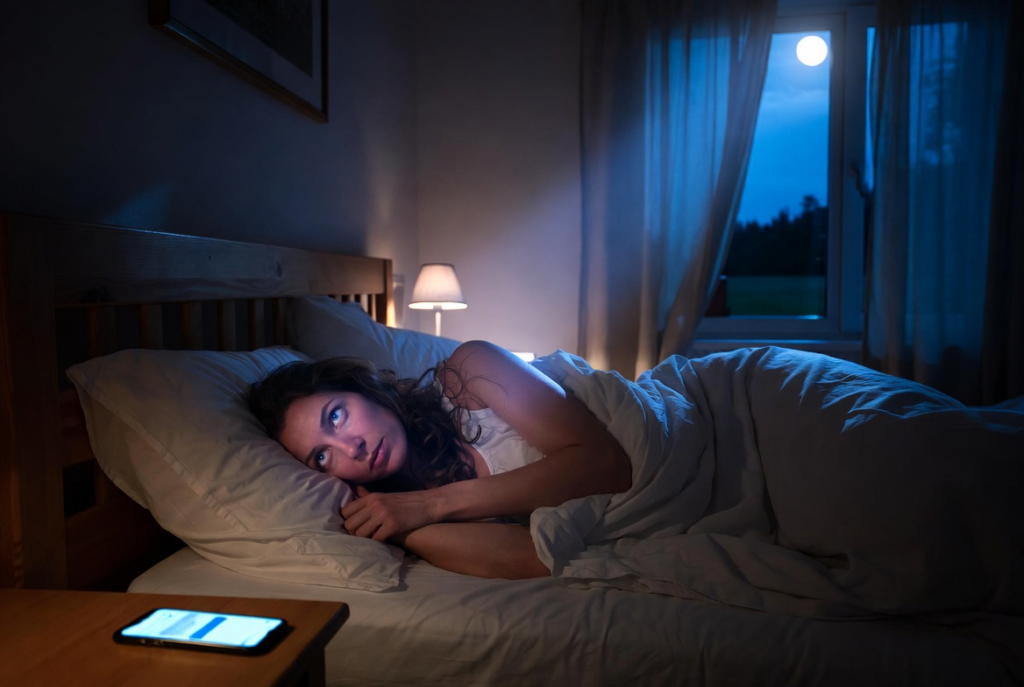
I notice now that masking is what left me lying in bed at night replaying every interaction, unsure what I actually enjoyed or needed.

Why This Matters for AuDHD Women
Masking is incredibly common in women with autism and ADHD because we’re often socialized to be accommodating and because our traits can look different. We might:
- Hyperfocus on fitting in
- Develop strong compensatory strategies (routines, scripts, mirroring others)
- Experience intense burnout when the mask slips
The exhaustion from masking feels different from regular tiredness. It’s that deep, soul-level depletion where you lose touch with yourself.
What I’m Doing Differently Now
Since my diagnosis and really understanding masking, I’ve been practicing small acts of unmasking:
- Allowing myselfshorter social interactions and real recovery time afterward
- Being more honest about my needs (e.g., “I need a quiet morning walk to recharge”)
- Using my strict routines and supplements as support instead of just pushing through
- Giving myself permission to stim or info-dump with safe people (hello, husband and this blog!)
- Saying no to large social functions where I know I’ll be overstimulated
It’s scary at first, but it feels amazing once you understand yourself and set boundaries accordingly.
You May Also Like
- Why Autism Looks Different in Women: My ADHD Overlaps & AuDHD Insights
- My ADHD Morning Routine That Actually Sticks
- Peptides + Natural Supplements for ADHD Binge Eating & Food Noise: My Real Results
- Retatrutide for ADHD: How Peptides Helped Quiet My Food Noise
Your Turn – Are You Masking or People Pleasing?
Here are a few reflection questions from Kati’s video that helped me:
- After spending time with people, do you feel tired… or completely empty and unsure of your own thoughts?
- Do you consciously choose to say yes (people pleasing) or automatically hide parts of yourself (masking)?
- What parts of you do you hide to feel safe or accepted?
If this resonates, I highly recommend watching Kati’s full video: The Real Difference Between Masking & People Pleasing
Have you noticed masking in your own life? Drop a comment below. I read every single one and we’re all figuring this out together.
-Mere Penny
Follow Me on Facebook
Join me over on GreaterSelf where I share daily encouragement, quick tips, and behind-the-scenes moments from my ADHD fitness journey.