(What Worked, What Didn’t, and How to Use It Smarter)
If you’re navigating adult ADHD, weight management, blood sugar swings, or those relentless food cravings and impulses, you’ve probably come across berberine. It’s been called “nature’s Ozempic” in some circles (though that’s a bit of hype), and it popped up in my own supplement experiments a while back. (WebMD)
I took it for a stretch and it really helped dial down my appetite, cravings, and food noise – big wins for my ADHD brain. But then it hit me with flu-like symptoms that knocked me out for about 24 hours, and I had to stop. Sound familiar?
Today I’m sharing the science, my real-life results, potential ADHD ties, side effects, and smarter ways to try it (including cycling) so you can decide if it’s worth exploring for your journey.
GreaterSelf.net is fully reader supported. As an Amazon Associate, I earn on qualifying purchases at no cost to you. Thank you for supporting my writing.
What Is Berberine?
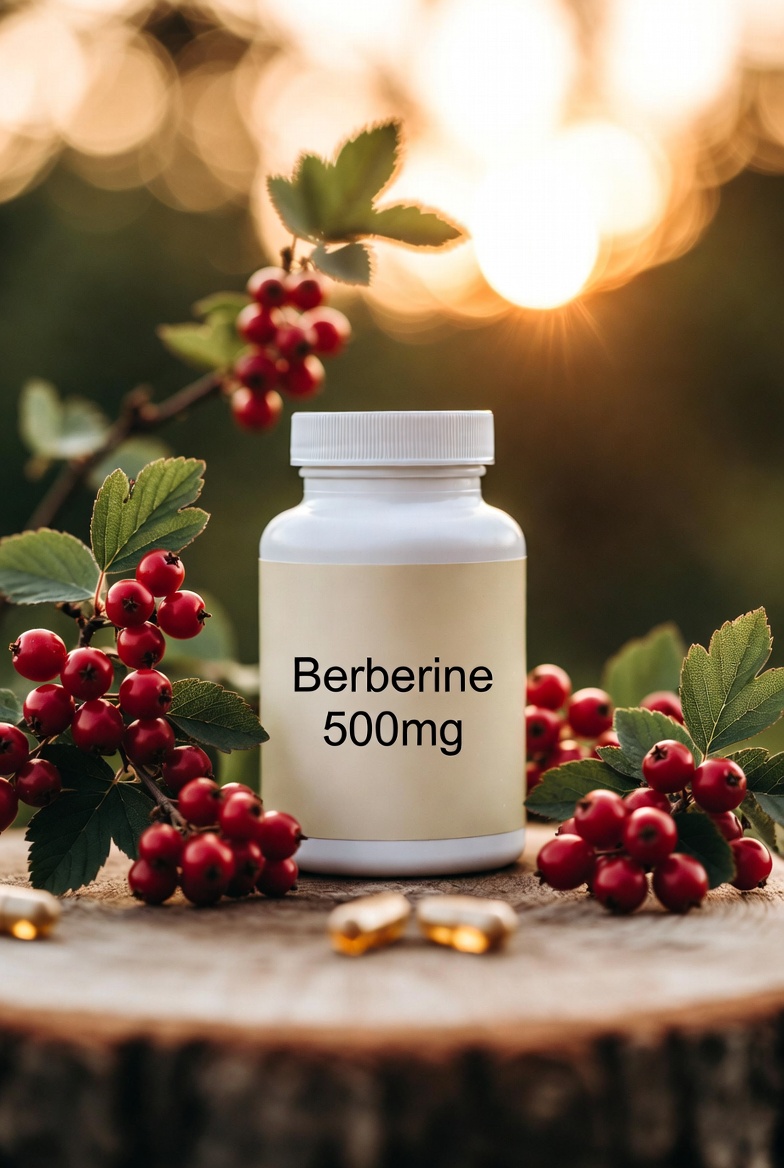
Berberine is a natural compound found in plants like barberry, goldenseal, and Oregon grape root. It’s been used for centuries in traditional Chinese and Ayurvedic medicine. Modern research focuses on its ability to activate AMPK – an enzyme often called the body’s “metabolic master switch” that helps regulate energy, fat burning, and blood sugar. (Cleveland Clinic)
It works in a few key ways:
- Improves insulin sensitivity
- Slows carb absorption in the gut
- Supports fat metabolism
- Has antimicrobial effects that can shift the gut microbiome

Proven Benefits: Weight Management, Blood Sugar, and More
The strongest evidence is around metabolic health:
- Blood Sugar Control:
- Berberine can lower fasting glucose, post-meal spikes, and HbA1c levels – sometimes comparably to metformin in shorter studies (though metformin has more long-term data). Typical improvements are around 0.5–1% drop in HbA1c. (BSW Health)
- Berberine can lower fasting glucose, post-meal spikes, and HbA1c levels – sometimes comparably to metformin in shorter studies (though metformin has more long-term data). Typical improvements are around 0.5–1% drop in HbA1c. (BSW Health)
- Weight Loss & Appetite:
- Studies show modest but real results – often 5+ pounds and improved BMI over 8–12+ weeks at doses >1g/day. It helps by boosting fat burning, reducing fat storage, and stabilizing blood sugar, which can curb cravings. Many people (including me) notice less impulse eating. (nih.gov)
- Studies show modest but real results – often 5+ pounds and improved BMI over 8–12+ weeks at doses >1g/day. It helps by boosting fat burning, reducing fat storage, and stabilizing blood sugar, which can curb cravings. Many people (including me) notice less impulse eating. (nih.gov)
- Other Wins:
- May lower cholesterol/triglycerides, reduce inflammation, and support heart health and gut balance. (Cleveland Clinic)
Any Connection to ADHD?
Not a direct ADHD treatment, but there’s promising overlap for those of us dealing with dopamine-driven food noise and energy crashes. Stable blood sugar can mean steadier focus and fewer impulsive snacks. Its anti-inflammatory and potential neuroprotective effects (seen in animal studies with dopamine/serotonin pathways) might offer subtle mood or brain support, but human evidence is limited. (superpower.com)
For me, it complemented my routine (high-protein breakfast, morning walks, L-Tyrosine, etc.) by quieting the “eat everything” impulses that often derail ADHD folks. If cravings are your big struggle alongside metabolic goals, it could be a helpful tool.
My Experience: The Good, The Bad, and The Flu-Like
The good part: Berberine noticeably reduced my appetite and cravings. Food noise quieted down, and it felt easier to stick to my high-protein, consistent eating window. Combined with my peptides and routines, it supported steady progress.
The not-so-good: After a while, I started getting hit with flu-like malaise—achy, tired, just off for a full day after dosing. It was enough to make me stop and feel nervous about retrying. This isn’t super common, but GI issues (nausea, diarrhea, bloating, constipation) are the main complaints, and some people report headaches, fatigue, or general yuckiness—possibly from gut shifts, blood sugar dips, or individual sensitivity. (ubiehealth.com)
Side Effects & How to Minimize Them
Most side effects are GI-related and often improve with time, lower dose, or taking with meals. Rare issues include low blood sugar (watch if combining with other things) or interactions with meds. (health.com)
Smarter Strategies:
- Start low and slow:
- Begin with 300–500mg once a day with a meal. Build to 500mg 2–3x/day (total 1,000–1,500mg) as tolerated.
- Begin with 300–500mg once a day with a meal. Build to 500mg 2–3x/day (total 1,000–1,500mg) as tolerated.
- Take with food:
- Reduces stomach upset.
- Reduces stomach upset.
- Quality first:
- Look for third-party tested berberine HCl (e.g., reputable brands with transparent testing). Avoid cheap unverified stuff; potency varies.
- Look for third-party tested berberine HCl (e.g., reputable brands with transparent testing). Avoid cheap unverified stuff; potency varies.
- Cycling:
- Many suggest 8–12 weeks on, 2–4 weeks off to let your gut microbiome recover (it’s antimicrobial) and prevent potential tolerance or buildup. For sensitive folks, shorter cycles like 3–4 weeks on/off or even 5 days on/2 off can help. Monitor how you feel and get bloodwork. (drtobias.com)
If you had a bad reaction like I did, a micro-dose restart (200–300mg) with extra caution, or pairing with probiotics/gut support, might be worth discussing with your doc. Hydration, electrolytes, and not combining with too many blood-sugar-lowering things at once can also help.
Who Might Benefit (and Who Should Be Cautious)?
Great add-on for people focused on:
- Insulin resistance or prediabetes
- Weight loss plateaus
- Cravings/impulse control with ADHD or metabolic issues
- Overall heart/gut health
Skip or use extreme caution if pregnant, breastfeeding, on certain meds (e.g., blood sugar or CYP-interacting drugs), or with liver/kidney concerns. Always consult a professional.
Recommended Berberine Supplements (My Top Picks on Amazon.ca)
When choosing a berberine supplement, I always look for third-party tested options with clear potency (berberine HCl), transparent labeling, and reputable manufacturing – especially Canadian-made for better freshness and shipping here in Ontario. Here are my top two recommendations that fit the quality criteria in this post:
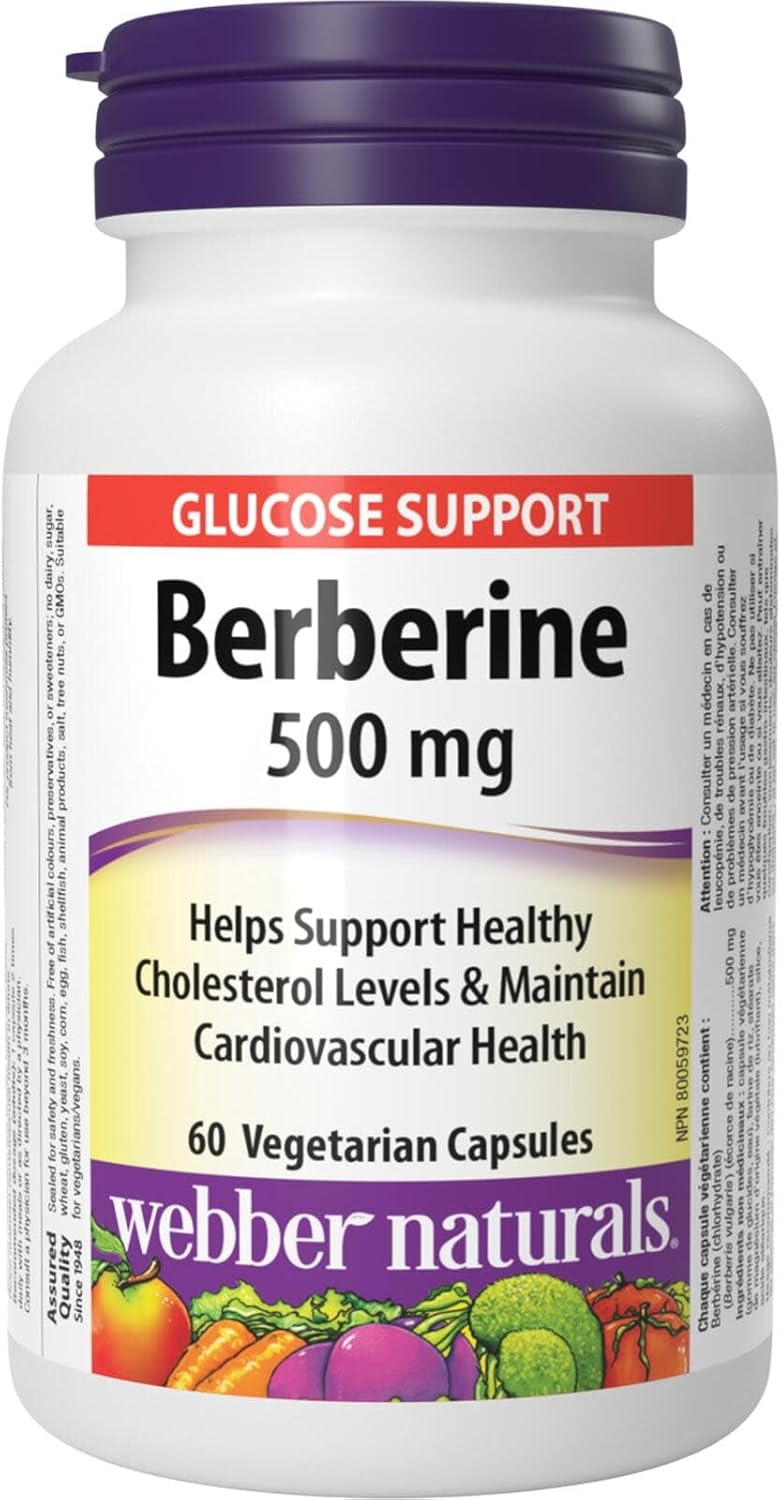
Top Pick: Webber Naturals Berberine 500 mg
This Canadian brand is a standout for me. Made in Canada, vegan, and focused on glucose metabolism and cardiovascular support. It’s from a trusted company with strong quality standards. Perfect for starting low and slow (one 500 mg capsule with a meal).
Great Alternative: CanPrev Berberine 500 mg
Another solid Canadian option with 500 mg per vegan capsule. It supports healthy glucose metabolism, cholesterol levels, and acts as an antioxidant. Great reviews for consistency.

You May Also Like
- How to Choose the Right Supplements for Adult ADHD
- How I Built a Bulletproof Morning Routine for Energy and Focus
- My Favorite High-Protein Meals & Snacks for Busy Days
- The Best Light Up LED Gear For Your Dog In 2026
- Best Exercises to Improve Focus for Adults with ADHD
Final Thoughts: Is Berberine Worth Trying?
Berberine isn’t magic, but for many it’s a solid, evidence-backed tool for metabolic support and appetite management. IT works best when paired with the foundations you already know work – consistent routines, protein, movement, and sleep. My experience was mixed, but I learned a lot about listening to my body and starting slower next time (if I retry).
Have you tried berberine? Drop your experience in the comments, I read every one! If this helped, share it with someone in the same boat.
Stay consistent, be kind to yourself, and keep building that greater self. You’ve got this!
-Mere Penny
Follow Me on Facebook
Join me over on GreaterSelf where I share daily encouragement, quick tips, and behind-the-scenes moments from my ADHD fitness journey.