(Psychiatrist Shares the Principles that Actually Work)
There’s more ADHD advice floating around right now than at any other point in history. Tips. Hacks. Perfect morning routines. The app that will finally change everything. The supplement that will fix your focus.
I’ve saved hundreds of them. And I’ve still had days where I sit there at the end of it all wondering why almost none of it stuck.
I recently watched a short video by psychiatrist Dr. Sasha Hamdani (who has ADHD herself) called 35 Years of ADHD Advice in 10 Minutes (Most of It Is Noise). It cut through the clutter in a way that felt honest and useful. She doesn’t add more things to do. She strips it back to the few principles that still hold up when your brain is actively pushing against you.
Here’s what stood out + how I’m starting to use it.
GreaterSelf.net is fully reader supported. As an Amazon Associate, I earn on qualifying purchases at no cost to you. Thank you for supporting my writing.
Why Most ADHD Advice Fails
Almost every popular tip assumes a version of you that is already focused, regulated, and motivated. A system that only works on good days isn’t a system, it’s just a dissapointment waiting to happen. And it collapses exactly on the days you need it most.
You’ve heard the typical advice: Just build a morning routine. Just be disciplined. Just eat the frog. Just optimize your peak hours.
All of that is built for a brain that’s already cooperating.
The load-bearing principle Dr. Hamdani keeps coming back to is simple and hard to argue with:
Exhaustion removes access to willpower.
You can want something badly. You can have the time blocked off. You can know exactly what needs to happen. And still… nothing moves. Because when you’re burnt out or depleted, there is nowhere to pull the willpower from.
I notice this in myself more clearly now that I’m tracking energy, sleep, and hormones alongside everything else. Some days the system just isn’t available, no matter how good my intentions are.

Plan for Your Bad Days (Not Your Good Ones)
You don’t need help on the days everything is clicking. You need a plan for the days when it isn’t.
Dr. Hamdani talks about building a “survival” list of low-energy, non-negotiable tasks. Not high-impact goals. Not “write the book” or “crush the to-do list.” Just the basics that keep bigger problems from piling up.
Her examples include:
- Start the day with food
- Drink a glass of water when you wake up and another before bed
- Check the kids’ folders so nothing important gets missed
For me right now, a bad-day survival list looks something like:
- High-protein breakfast (even if it’s just the same thing I always have)
- Get outside for the walk – even if it’s shorter!
- Take the core supplements
- Drink water
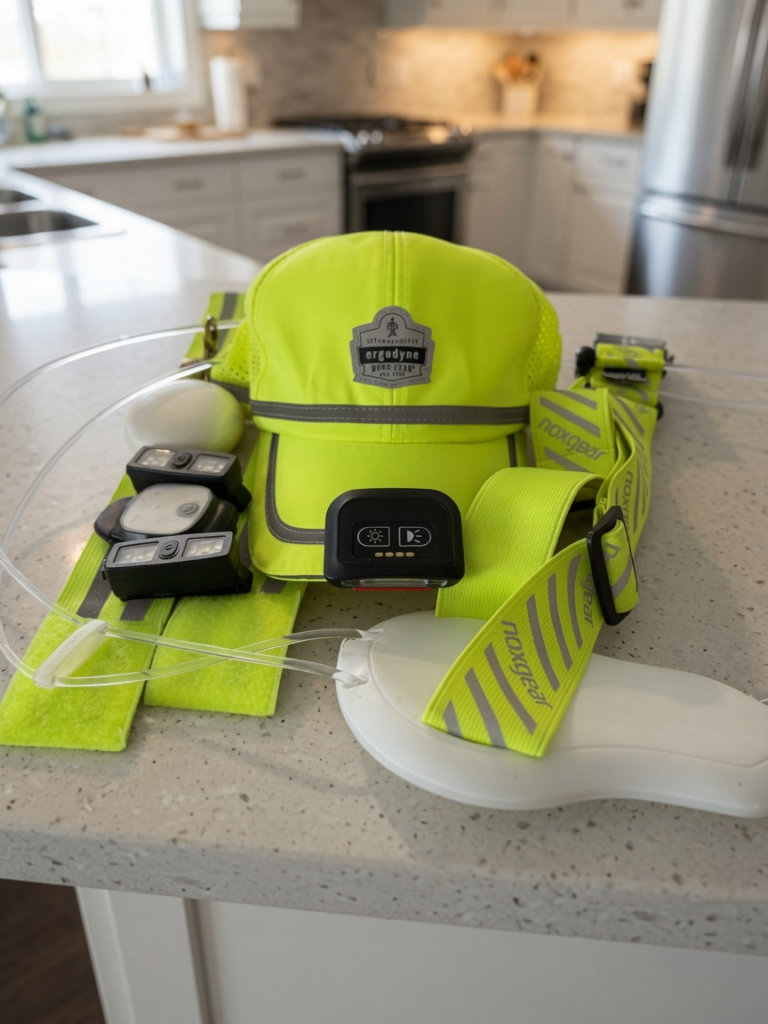
- One small thing that protects tomorrow (lay out clothes, charge the headlamp, put the hi-vis gear where I can see it)
These aren’t impressive. They’re protective. And on the days my brain feels foggy or resistant, checking them off still counts as forward motion.
Externalize Your Cues
Every time you rely on your memory to hold something, you’re spending executive function you may not have to spare. Then you blame yourself when it falls apart.
Writing it in a planner that lives in another room doesn’t always help. Habit stacking and visual cues do.
Dr. Hamdani’s example: she used to put her contact case directly on top of her medication bottles. She needed the contacts to see. Picking them up automatically brought the meds into view.
I’m experimenting with the same idea:
- Supplements sit next to the coffee maker
- Walking gear is laid out the night before in the exact spot I walk past first thing
- Phone charger lives in the bathroom so I see it when I’m brushing my teeth
The goal isn’t a prettier system. It’s reducing the number of times my brain has to remember something from scratch.
Start Anywhere — Build Momentum
“Eat the frog” advice can be deadly for an interest- and urgency-based nervous system.
You know the important thing is important. You’ve written it down. You’ve told yourself it matters. And your brain still deprioritizes it because it’s boring and not due right now… so start where you can start. Even if it feels like the “wrong” place.
Any entry point that gets you moving can create the momentum that makes the harder thing more possible later. It doesn’t magically solve the big task. But it can get you over the paralysis of starting.
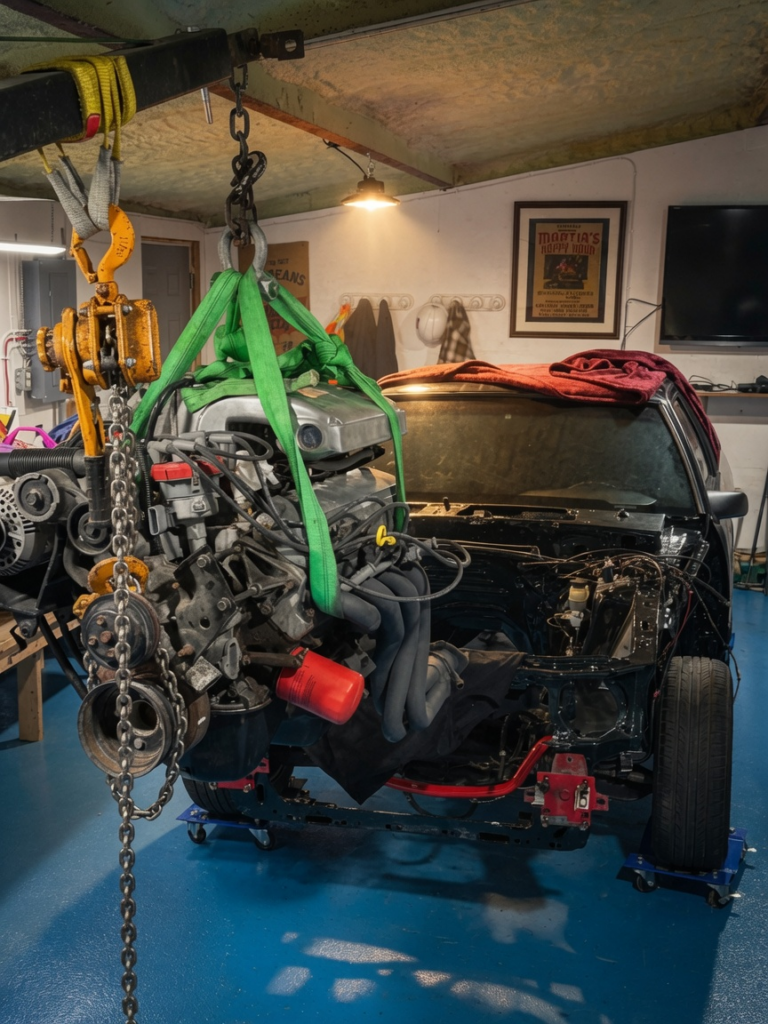
I’ve noticed this with content work and with the Mustang projects. Sometimes the only way in is a tiny, almost silly task. Once I’m moving, the next step feels less impossible.
Shame Is the Real Blocker
This was the part that hit hardest.
Every system falls apart when shame is running the show. Shame kills executive function. It floods the system. It makes you believe you’re not capable, which then makes it harder to even try.
Dr. Hamdani is clear: self-compassion isn’t a soft extra. It’s the floor everything else stands on. Kindness is what keeps the system usable on the days you need it most.
For a lot of us (especially those diagnosed later in life), the loudest signal for years was the feeling that something was wrong with us. The advice to “just try harder” only piled more shame on top.
I’m still practicing this one. Catching the self-talk that says “you should be further along by now” or “everyone else can do this.” Replacing it with something closer to: “My brain is pushing back today. What’s the smallest thing that still protects the day?”
.

What I’m Taking From This
I’m not throwing out my routines. The 4:30 a.m. structure, the consistent breakfast, the dawn walks, the supplement stack – those still help on most days.
But I’m giving myself permission to have a lighter version ready for the days when the full system isn’t available. And I’m paying more attention to visual cues and to the shame voice when it shows up.
The goal isn’t a perfect system. It’s a system that still works when my brain is pushing back.
If you’ve been collecting ADHD advice that never quite sticks, this short video is worth ten minutes of your time.
What does your “bad day” survival list look like right now? I’d love to hear in the comments.
-Mere Penny
Follow Me on Facebook
Join me over on GreaterSelf where I share daily encouragement, quick tips, and behind-the-scenes moments from my ADHD fitness journey.